 Flooring Correct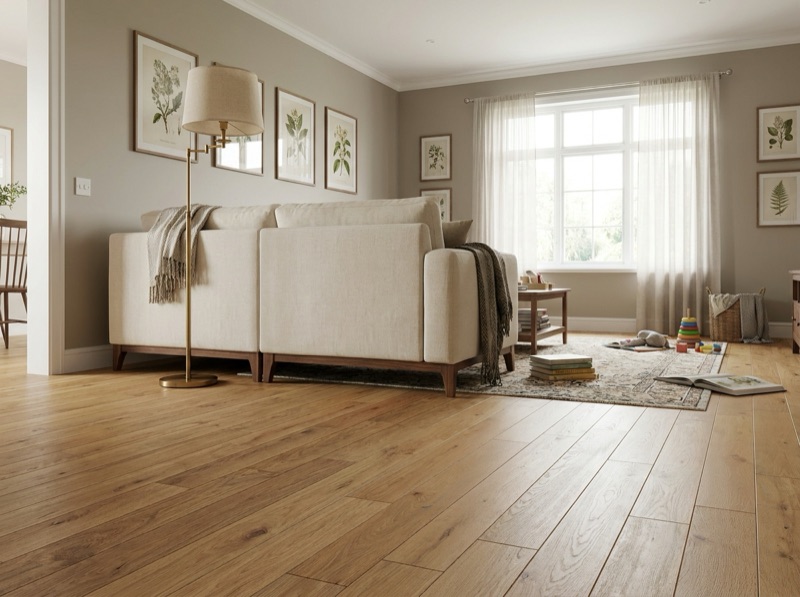
Common hardwood flooring mistakes and how to avoid them.
Answers to the questions we hear most about installing, refinishing and maintaining hardwood, so you can avoid the mistakes that cost real money later.
Hardwood flooring can transform your home, adding timeless elegance and value. But if you are not careful, hardwood flooring can also come with some expensive mistakes. Whether you are tackling a full installation, considering refinishing, or just trying to maintain your floors, knowing what to avoid can save you time and money.
In this article, we will guide you through some of the most common hardwood flooring mistakes and how to avoid them. From where not to install hardwood to tips on fixing damaged floors, here are answers to the questions homeowners ask us most.
How to avoid hardwood flooring mistakes
Hardwood floors are an investment, and the last thing you want is to make mistakes that could cost you down the line. Whether it is picking an unsuitable room for hardwood or overlooking important finishing steps, here is how to avoid the most frequent hardwood flooring mishaps.
Where shouldn't I install hardwood floors?
Hardwood flooring looks beautiful, but it is not suitable for every room. High-moisture areas like bathrooms and basements can cause issues for natural hardwood. The constant exposure to water and humidity can cause the wood to warp or crack.
If you are looking for ideas for bathroom or basement flooring, check out our advice on basement flooring and bathroom flooring for more durable and waterproof options.
What will ruin hardwood floors?
As we mentioned, water can cause problems for natural hardwood flooring. Spills left unattended can seep into the wood, causing stains.
Excessive sunlight can also fade the natural color of the wood over time, so installing UV-blocking window treatments is a good idea.
Another mistake is using harsh cleaning chemicals or abrasive tools. Stick to wood-friendly products and avoid anything that could scratch the surface.
What shouldn't I do when refinishing hardwood floors?
Refinishing hardwood floors is a great way to bring them back to life, but it is easy to make costly mistakes.
One common error is sanding unevenly or not enough, which can result in a lumpy finish. Speaking of sanding, always make sure to use the correct grit level for your floors. If you do not, you could damage the wood.
Another mistake is applying the finish too quickly, which can trap bubbles on the surface. Refinishing takes patience, so follow the steps carefully for the best results.
Do you need a vapor barrier under hardwood floors?
Yes. You will want to install a vapor barrier if you are putting hardwood floors over a concrete slab or in a moisture-prone area like a basement. The barrier prevents moisture from seeping up and damaging the wood. This is especially important when installing engineered hardwood, which is more moisture-resistant than solid wood but still benefits from this protective layer.
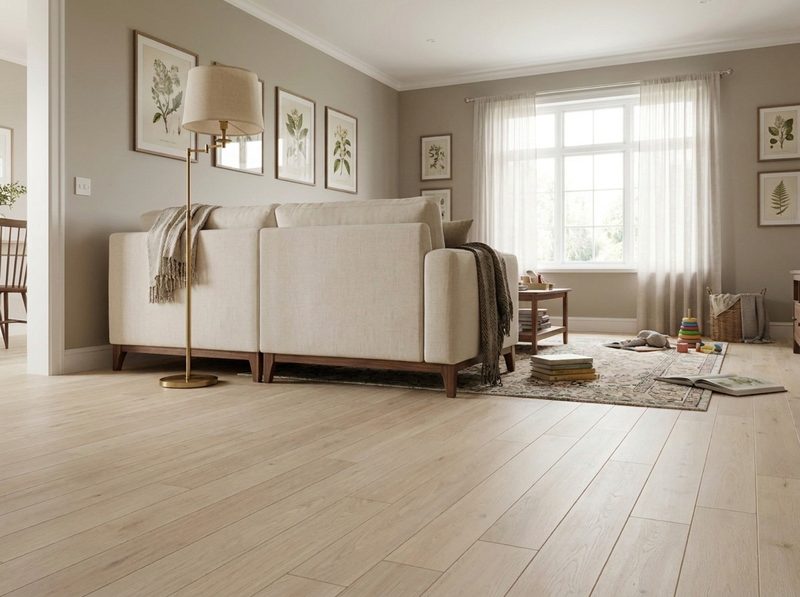
Hardwood flooring offers timeless elegance but is not suited for high-moisture areas.
How to fix hardwood flooring mistakes
Even with the best intentions, things can go wrong during or after a hardwood flooring project. Whether your floors are uneven, scratched, or water-damaged, here are solutions to fix the most common issues and restore your floors.
What if hardwood flooring was installed incorrectly?
Mistakes in hardwood installation can lead to expensive fixes down the line. One of the most common issues is uneven floors due to poor subfloor preparation. If the planks were not laid properly or the floor is not level, you might end up with squeaky spots or gaps between boards. If the problem is severe, you may need to replace problematic sections for a more polished look.
How do you fix messed-up hardwood floors?
It depends on the type of damage. For minor scratches, you might be able to use a wood filler or a floor polish to buff them out. If the boards are warped due to moisture, you will likely need to replace those sections entirely. In more serious cases, a professional may need to re-sand and refinish the entire floor to restore it properly.
How do I know if my hardwood floors are salvageable?
Before you jump to replace your hardwood floors, assess the damage. Floors with deep gouges, water damage, or major warping might not be salvageable. However, if the damage is surface level, such as minor scratches or slight discoloration, refinishing is often enough to bring them back to life. You can also look at how to maximize your budget for flooring renovations to help decide if repairing or replacing makes the most financial sense for your project.
Is it better to repair or replace hardwood floors?
It depends on the damage and your budget. Minor scratches or wear can often be repaired with some easy fixes, and in many cases you will be able to tackle those projects on your own. However, significant damage may require seeking the help of a professional to replace the affected areas.
Can you fix uneven hardwood floors?
Yes, uneven hardwood floors can usually be fixed, though it depends on the cause of the problem. If the subfloor is uneven, it may need to be leveled before you can reinstall the hardwood. You can also sand down small, uneven areas or use a self-leveling compound if the discrepancy is not too severe. In cases of extreme unevenness, the best solution may be to remove and reinstall the flooring.
How to keep hardwood flooring looking great
Once your hardwood floors are installed, keeping them in top shape requires regular maintenance and a little know-how. From easy touch-ups to prolonging the floor's life without sanding, here is how to keep it looking new with simple DIY habits.
What maintenance basics should everyone know?
Always sweep or vacuum your flooring regularly to remove dust and dirt, which can scratch the surface over time.
To get a deeper clean and remove grime, clean the floors with a damp, not wet, mop using a hardwood-friendly cleaner once a week.
Taking care of your flooring is worth the effort, especially if you ever plan to sell. Realtor.com found hardwood floors can increase your home's value by up to 2.5 percent.
What is the best way to protect hardwood floors?
Use area rugs in high-traffic spots, avoid wearing shoes inside, and clean spills immediately to prevent damage. It is also smart to attach felt pads to the bottom of furniture legs to avoid scratches when moving items around. You can even maintain proper humidity levels by using a humidifier in winter and a dehumidifier in the summer to prevent the wood from expanding or contracting.
Can you redo hardwood floors without sanding?
Yes. There are a few ways to refresh hardwood floors without a full sanding. One option is a process called screening, where the top layer of the finish is lightly scuffed up before a new coat of finish is applied. Screening can work wonders for floors with minor surface damage. For deeper scratches or wear, however, sanding is the only way to fully restore the wood.
How often should hardwood floors be refinished?
Most hardwood floors need refinishing every seven to 10 years, which means you will only need to refinish them roughly four to six times during the floor's lifespan. High-traffic areas may need it sooner if you notice damaged spots appearing early.
Most hardwood floors need refinishing every seven to 10 years.
Keeping your hardwood floors beautiful
Hardwood floors are a beautiful addition to any home, but they require careful planning, installation, and maintenance to stay in top condition. By avoiding common mistakes, understanding how to fix issues when they arise, and sticking to a regular maintenance routine, you can keep your floors looking stunning for years to come.
See our hardwood floors
Species, hardness, finishes and how Missouri humidity moves a wood floor.
See hardwood Free estimateTalk it through with the showroom
Bring your questions and a photo of the room. Estimates are free.
Contact usMore from the blog: Browse all posts